Naval Outfitting
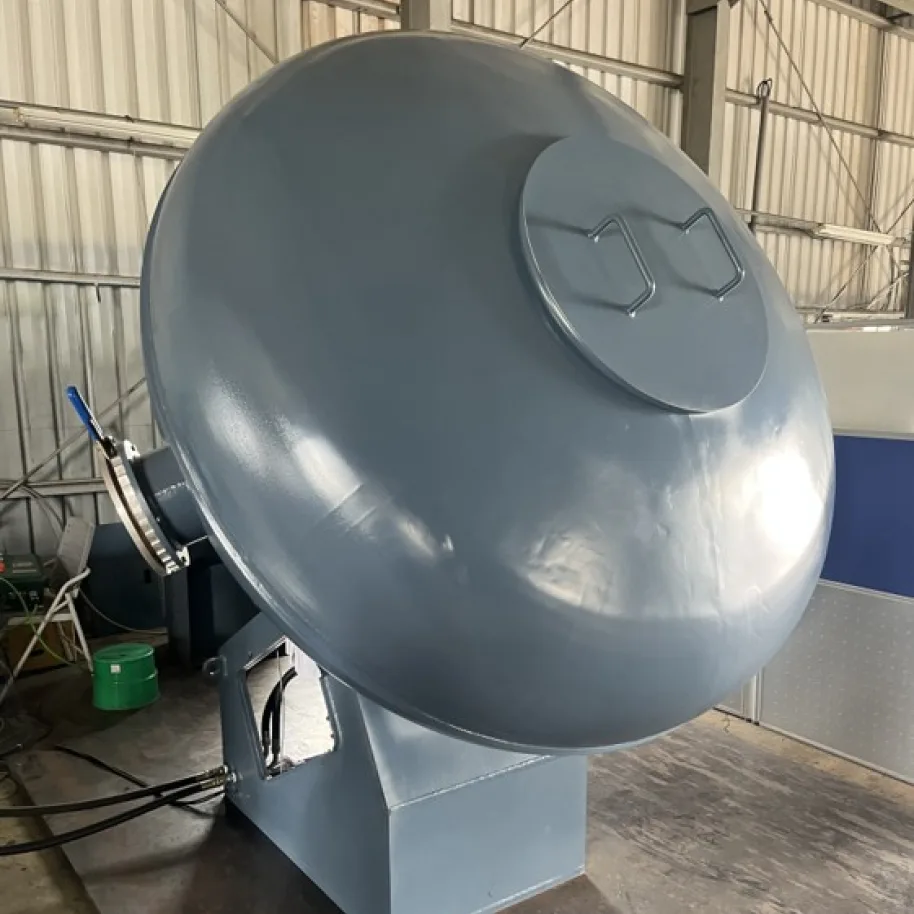
A dish is a large formed sheet-metal structure, and its fabrication is pulled in two directions at once. The first is the accuracy of the curve: a local deviation anywhere on the face changes how the dish focuses, and once the panel is formed such a deviation is difficult to put right. The second is weight — the dish sits on elevation and slew machinery, so both its mass and the area it presents to the wind come back as load on that machinery. The stiffening on the back cannot simply be made heavier; it has to be traded off between stiffness and weight.
The scope covers cutting and forming the dished panels, assembling and welding the backing structure, machining the hub and flange faces, and the overall surface treatment. Distortion from welding is kept in check through the welding sequence and the way the work is clamped, so that a curve already formed does not go out of shape during assembly. Surface tolerance, the arrangement of the stiffening and the method of connecting the hub are set by the equipment specification and by what the rotating machinery is rated to carry.